

If you’re planning a bathroom remodel, one of the first practical questions is: how long will my bathroom be out of commission? It’s a fair question if a bathroom is a room you rely on every day, and knowing the timeline helps you plan around the disruption, whether that means coordinating with family or arranging temporary alternatives.
The short answer: most bathroom remodels take about two to three weeks of active work. A simple update can wrap in a week to ten days, while a larger primary bathroom with custom tile, a new layout, or relocated plumbing can run four to six weeks. But here’s the catch most homeowners miss: the calendar timeline is usually longer than the working timeline, because design, permitting, and material ordering all happen before the first tool comes out. Here’s how it really breaks down, step by step.
Before Work Begins: Planning, Permits, and Materials
The part homeowners underestimate most is everything that happens before demolition. This pre-construction phase can take anywhere from a couple of weeks to over a month, and it’s time well spent, because thorough planning here is exactly what prevents delays once the crew arrives.
Design and selections. Choosing your layout, tile, vanity, fixtures, and finishes takes time, and it’s worth doing carefully. Every decision made now won’t cause a hold-up later.
Permitting. If your remodel involves plumbing or electrical changes, permits are typically required, and securing them depends on local processing times, not just your contractor’s schedule.
Ordering materials. This is the big one. Special-order tile, vanities, custom glass, and certain fixtures can carry lead times of several weeks. A smart contractor orders everything and confirms it has arrived before demolition begins, so your project doesn’t stall halfway through waiting on a back-ordered vanity or a discontinued tile.
The homeowners who breeze through their remodels are almost always the ones who invested in this phase. Rushing it is the most common reason a “three-week” project turns into a two-month ordeal.
Week-by-Week: A Typical Bathroom Remodel Timeline
Once work starts, here’s how a standard full-bathroom remodel usually unfolds:
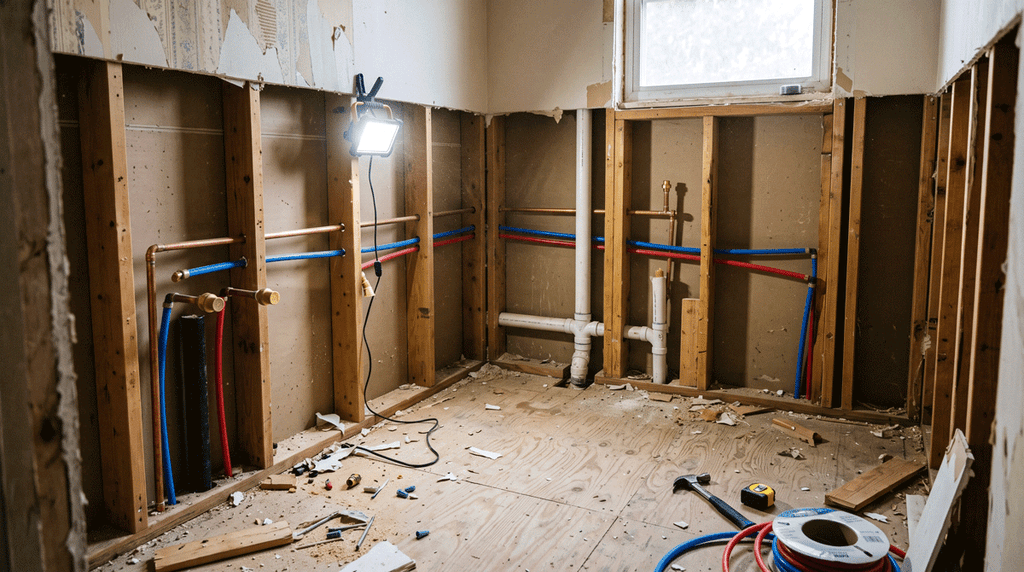
Days 1–2: Demolition. The old tile, fixtures, vanity, and sometimes the drywall come out. This phase is fast and satisfying, but it’s also when hidden issues reveal themselves, such as water damage, rotted subfloor, outdated plumbing, or mold. Discovering these is actually a good thing; addressing them now prevents far bigger problems later, though it can add time.
Days 3–5: Rough-in plumbing and electrical. Any new plumbing lines, wiring, and ventilation go in during this stage. If you’re relocating fixtures, this is where that work happens, and it’s why moving plumbing extends a timeline.
Days 5–6: Inspection. When permits are involved, an inspection of the rough-in work is required before the walls are closed up. Scheduling around the local inspector’s availability can add a day or two that’s outside anyone’s control.
Days 6–8: Drywall, waterproofing, and prep. Walls are closed and, critically, the shower and wet areas are waterproofed. This step should never be rushed. Proper waterproofing is what stands between you and a leak inside your walls years from now.
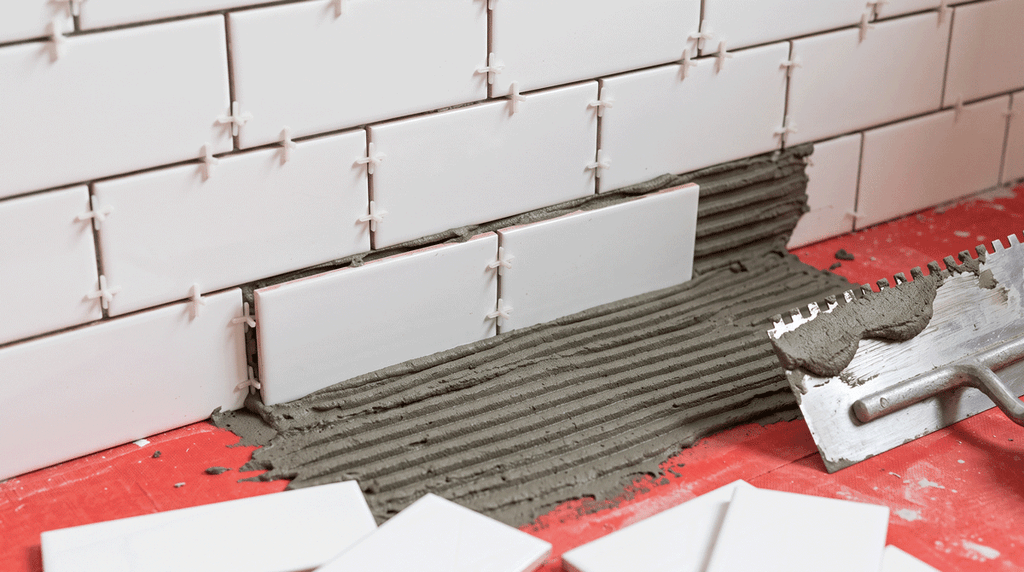
Days 8–12: Tile work. Floor and shower tile go in. Tile is one of the most time-intensive phases because mortar and grout need proper cure time between steps, and rushing it compromises the result. Custom layouts, mosaics, and intricate patterns take longer than straightforward designs.
Days 12–15: Fixtures and finishes. The vanity, toilet, shower fixtures, glass, mirror, lighting, and hardware are installed. The room finally starts to look like a finished bathroom.
Days 15–17: Final details and walkthrough. Paint touch-ups, caulking, cleanup, and a final inspection wrap things up. You and your contractor walk through together to confirm every detail is right before the project is called complete.
Timeline by Bathroom Type
Not every bathroom takes the same amount of time. Matching your expectations to your project type helps you plan realistically:
- Half bath/powder room (about 1 week): With no shower or tub to tile and waterproof, these move quickly, typically new flooring, a vanity, a toilet, fixtures, and paint.
- Standard full bath (2–3 weeks): The most common project. A tub or shower, tile, vanity, and fixtures put this squarely in the two-to-three-week range when the layout stays the same.
- Primary / master bath (4–6 weeks): Larger footprints, custom tiled showers, double vanities, soaking tubs, and premium finishes all add time, and if you’re relocating fixtures, expect the higher end of that range.
- Any bathroom with a new layout (add 1–2 weeks): Moving plumbing means extra rough-in work and an additional inspection, which extends whichever category you’re in.
What Can Extend Your Timeline
Even well-run projects encounter variables. The most common causes of delay are:
- Special-order materials arriving late. The number-one schedule killer, and the reason ordering early matters so much.
- Hidden damage behind the walls. Water damage, rotted subfloor, or outdated plumbing discovered during demolition takes time to fix properly, and it should be fixed properly.
- Layout and plumbing changes. Moving fixtures adds rough-in work and an extra inspection.
- Permit and inspection scheduling. These depend on local availability and can’t always be rushed.
- Change orders. Deciding to switch the tile or upgrade the vanity mid-project resets part of the schedule and often the material lead times too.
How to Keep Your Remodel on Schedule
You have more control over the timeline than you might think. A few habits keep projects moving:
- Finalize all selections before demolition. Indecision is the most common source of delay. Lock in your tile, vanity, fixtures, and finishes before work starts.
- Order materials early. Confirm that tile, the vanity, glass, and fixtures have physically arrived before demolition begins.
- Avoid mid-project changes. Every change ripples through the schedule and the budget. Trust the plan you made.
- Hire an experienced local team. A contractor who coordinates trades, inspections, and deliveries efficiently keeps the whole project on track and knows how to work with local inspectors.
Careful sequencing is at the heart of how we run every bathroom remodel in Richmond; you can see our full step-by-step method on our remodeling process page.
Can You Still Use Your Bathroom During the Remodel?
If it’s your only bathroom, it simply won’t be usable during demolition and rough-in. Many Richmond homeowners with a single bathroom arrange temporary access to another one, whether at home or nearby, and schedule the most disruptive days around their routines. If you have a second bathroom, the disruption is minimal, and life continues almost as normal throughout the project. A good contractor will walk you through exactly which days to expect the biggest impact so there are no surprises.
Plan Your Bathroom Remodel With a Team That Respects Your Time
A realistic timeline starts with realistic planning, and that’s where the right contractor makes all the difference. At Swift Run Renovations, we set clear schedules, order materials in advance, coordinate inspections, and keep you updated at every stage so you always know what’s happening and what’s next.
Ready to get started? Contact Swift Run Renovations for a free consultation, and we’ll walk you through a realistic, honest timeline for your specific space. Explore our bathroom remodeling services or our full range of home remodeling to plan your project with confidence.
Frequently Asked Questions
How long does a bathroom remodel take?
Most bathroom remodels take about two to three weeks of active work. A simple refresh can finish in a week to ten days, while a large primary bathroom with custom tile or a new layout can take four to six weeks. Keep in mind that design, permitting, and material ordering beforehand can add several more weeks to the overall calendar, so plan accordingly.
Why do bathroom remodels take so long?
Bathrooms involve multiple trades: demolition, plumbing, electrical, waterproofing, tile, and finishing that must happen in a specific sequence, often with inspections and material cure times in between. Tile work and waterproofing in particular can’t be rushed without risking leaks or failures later, so the timeline reflects doing the job correctly.
What causes bathroom remodel delays?
The most common causes are late-arriving special-order materials, hidden water damage or plumbing issues found during demolition, mid-project change orders, and permit or inspection scheduling. Finalizing all your selections and confirming materials have arrived before demolition begins prevents most delays.
Can I use my bathroom during a remodel?
Not during demolition and rough-in, when the fixtures are removed and the space is torn up. If it’s your only bathroom, plan for temporary alternatives during those days. Homes with a second bathroom experience far less disruption and can continue almost normally throughout the project.